
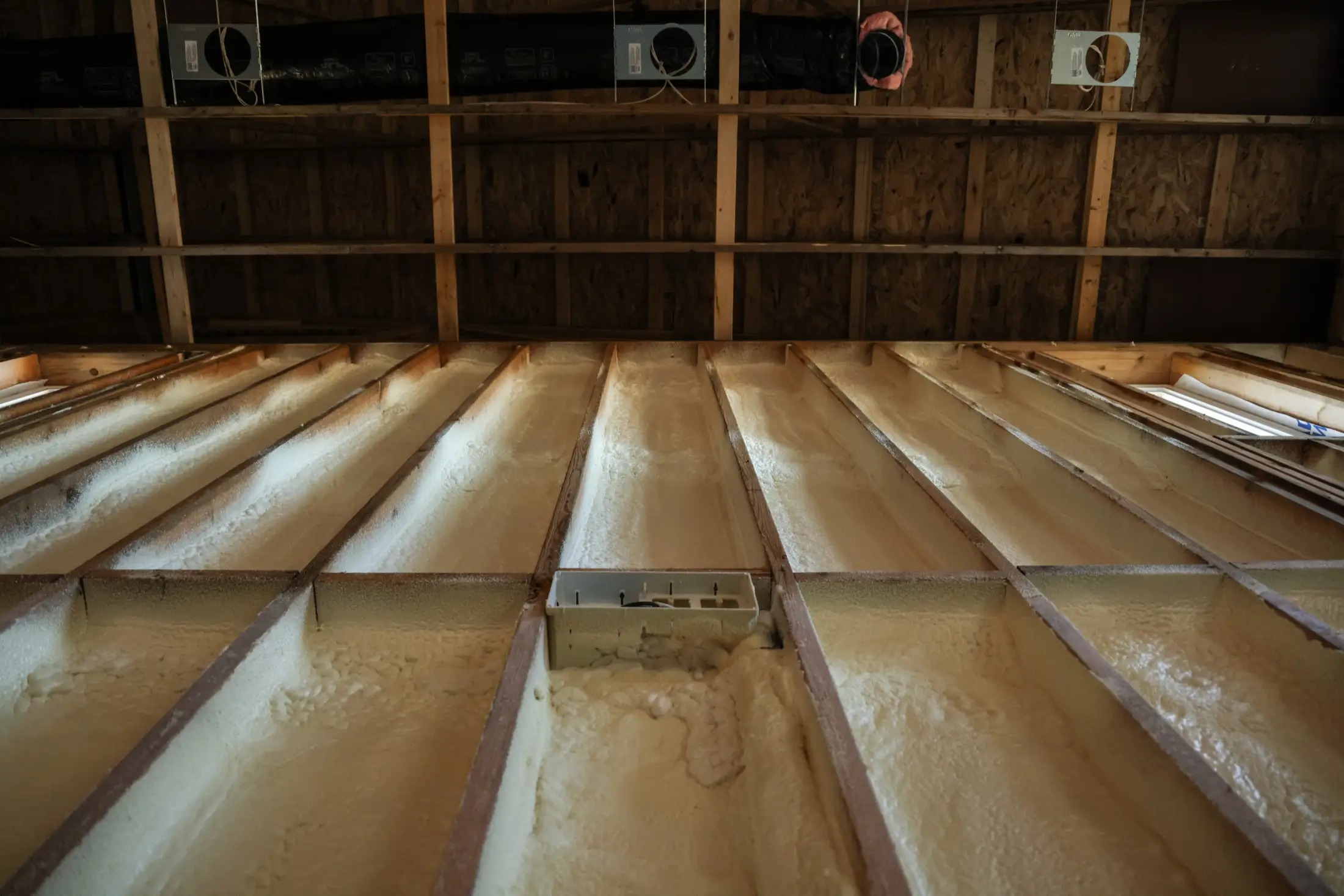
Blown-In Insulation in Royalton, MN
Blown-in fiberglass and cellulose for attics and walls.
The Workhorse for Minnesota Attics
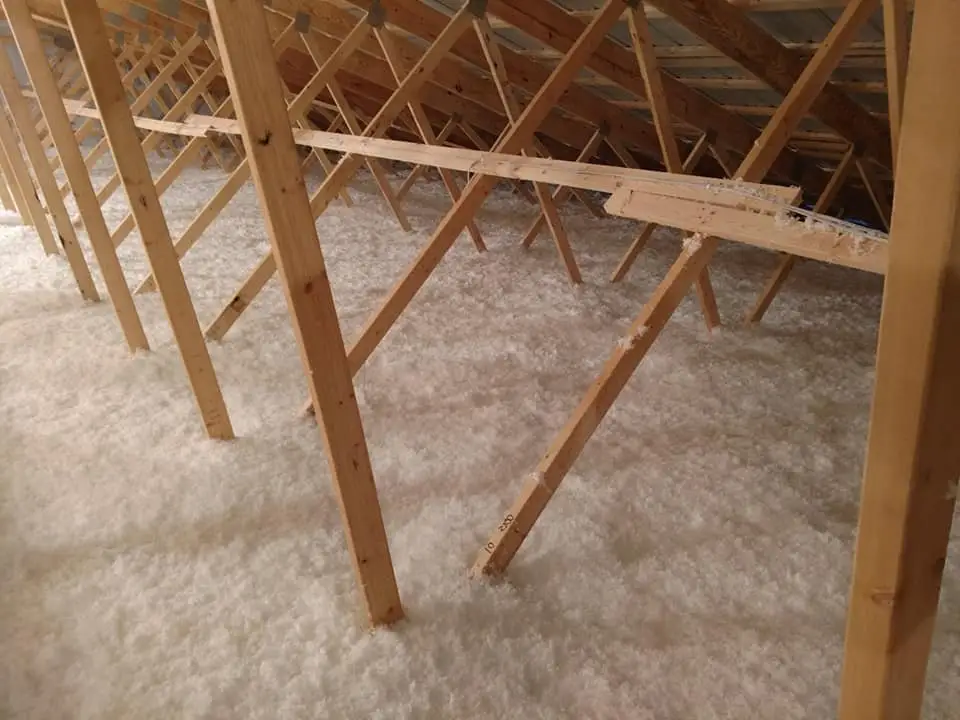
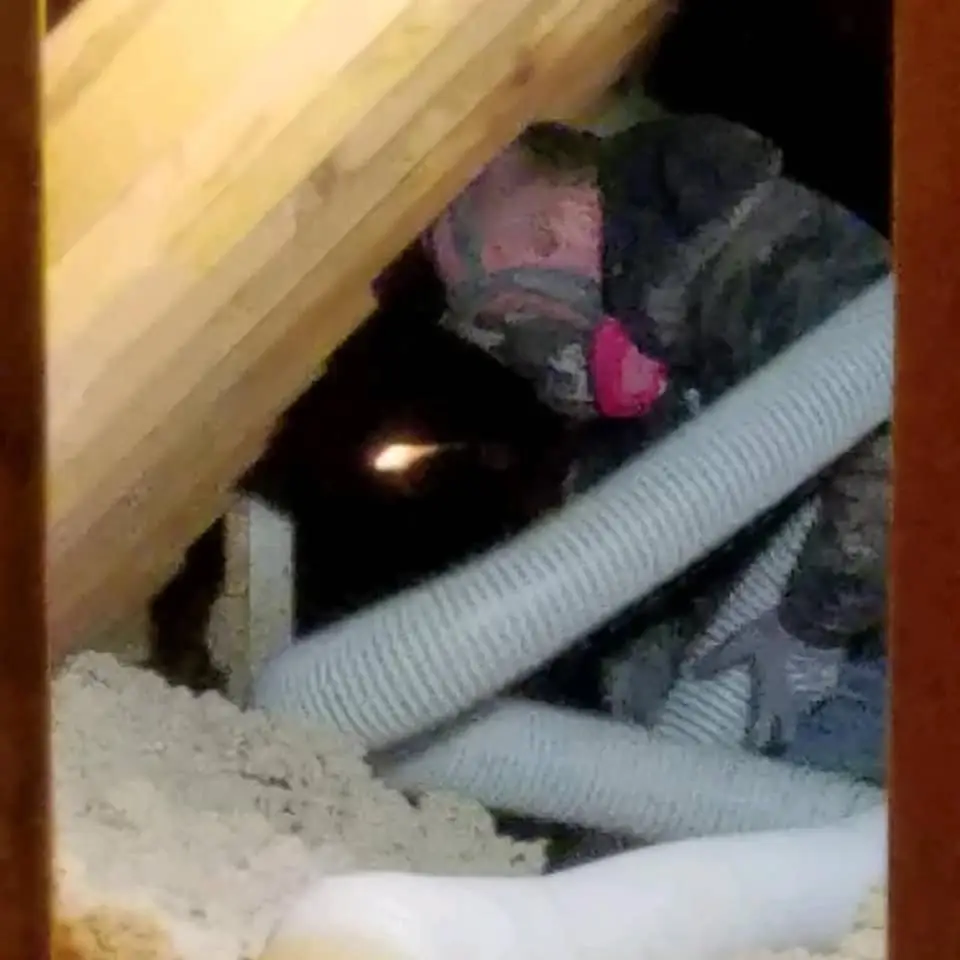
Blown-in fiberglass and cellulose are the most economical way to bring an open, vented attic floor up to a real Minnesota depth. The material fills between and over the joists, covers odd framing without gaps, and a typical attic takes a morning.
A proper blown-in job starts before the hose does: we check the roof deck and ventilation, cover recessed lights that need covers, baffle the eaves so the new depth does not choke airflow, and air-seal the ceiling penetrations that feed ice dams. Then we blow to a measured depth. You get the number in inches and R-value, not a vague promise of "more".
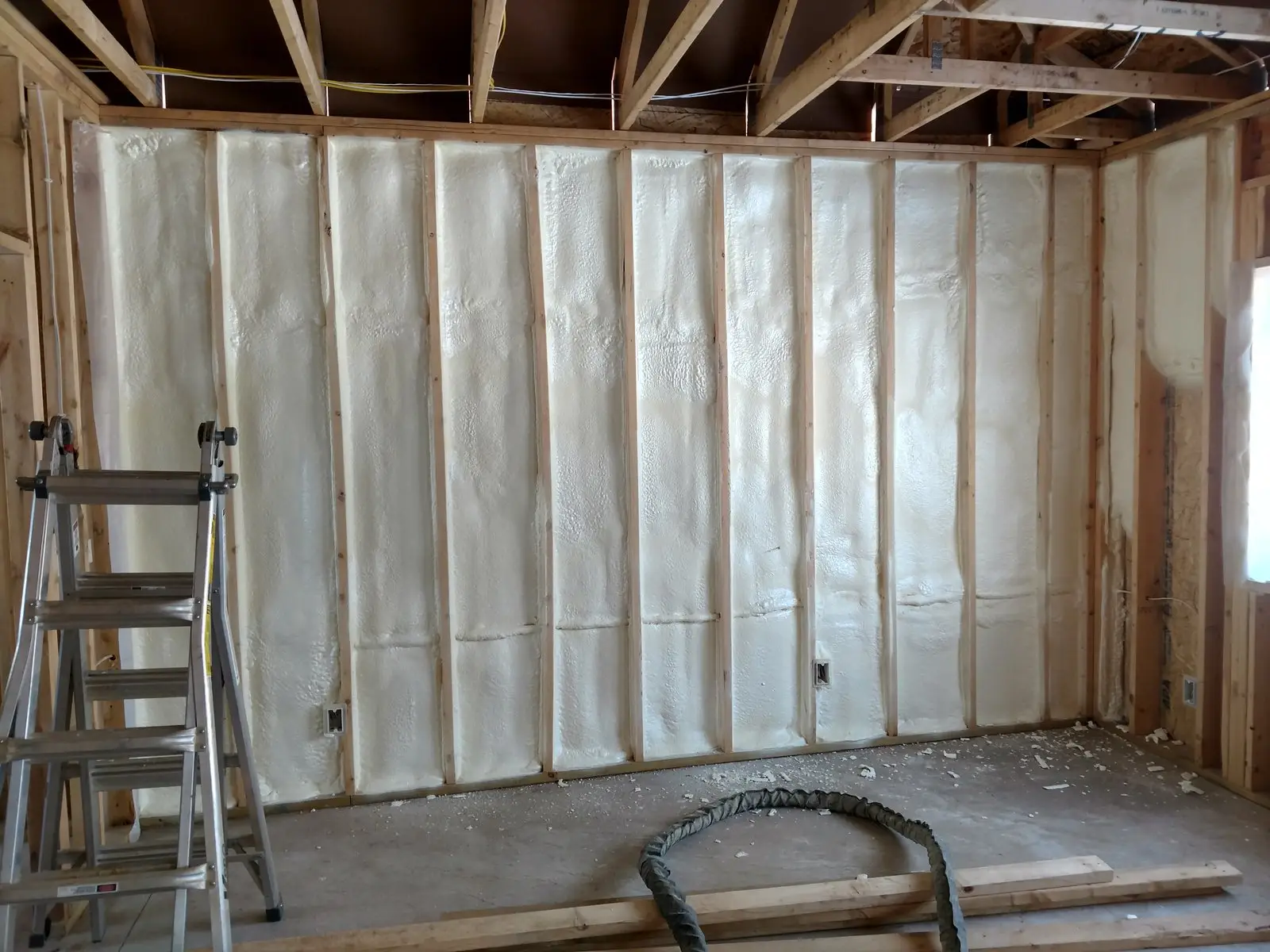
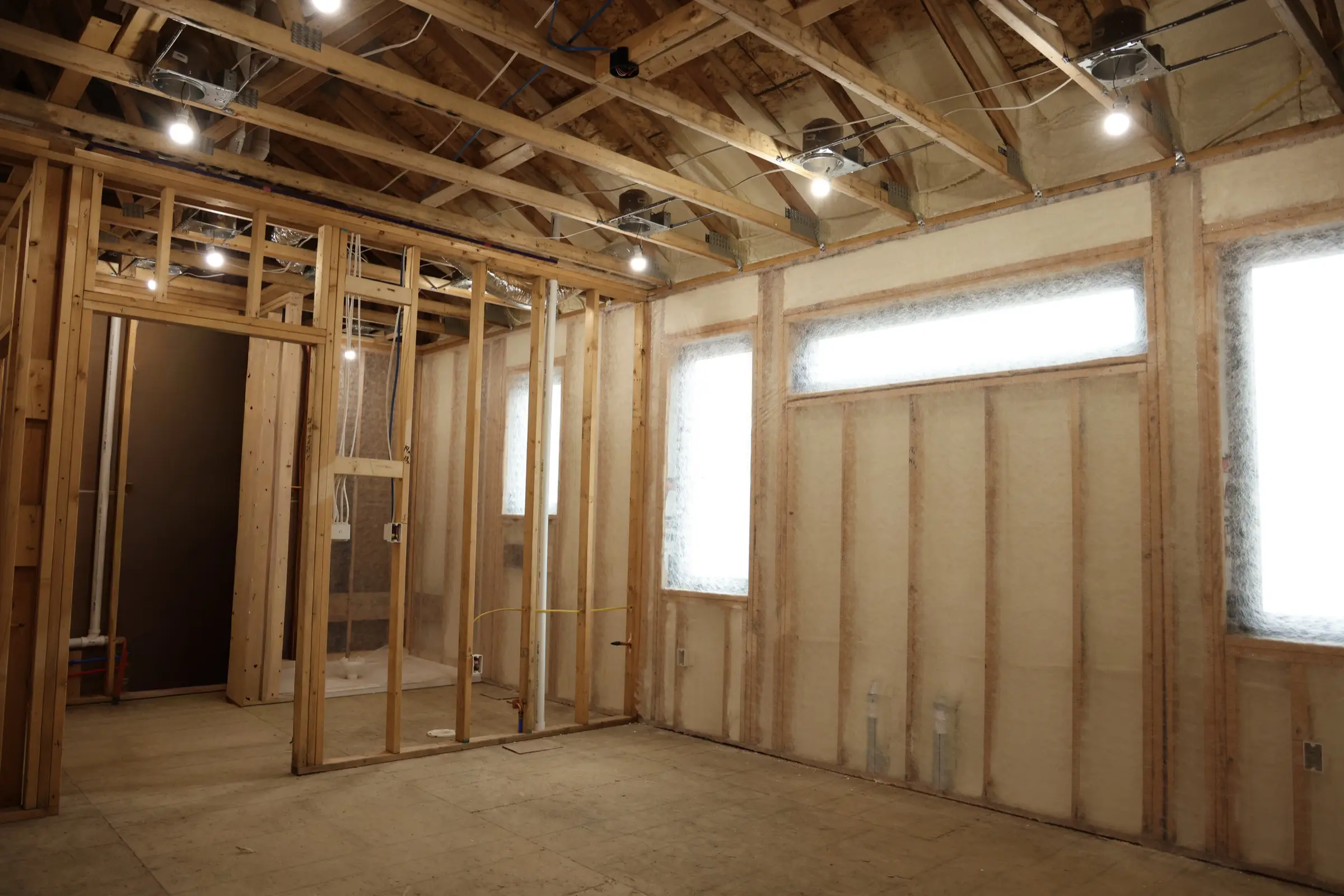
Blown-in also fills closed wall cavities in older homes through small access holes - a practical upgrade for older housing stock around St Cloud and Little Falls where the walls were built empty.
What This Work Looks Like
Other Insulation Services
Common Questions
How many inches of blown-in insulation does a Minnesota attic need?
Minnesota attics are typically brought to roughly R-49 or better, which lands around 14 to 18 inches depending on the material. We measure to a stated depth and give you the inches and R-value in writing, not a vague 'top-up'.
Can you blow insulation on top of my existing attic insulation?
Yes, if the existing material is dry, clean and not rodent-damaged. If it is wet, mouldy or contaminated it has to come out first; burying a problem under new material only hides it.
Is blown-in fiberglass or cellulose better?
Both perform well installed properly. Cellulose is denser and fills tight spots well; fiberglass does not absorb water and weighs less on old framing. We recommend based on your attic rather than defaulting to one.
Want to Know What Your Project Would Cost?
Tell us about the property and we'll help you determine the next step.
Free Written Estimates • No Obligation • Local MN Team