
Attic Insulation Cost: What Drives the Number
Two attics with the same square footage can come in at very different prices. Here is why, and what to check before you compare quotes.
What Moves an Attic Quote
Existing insulation. Clean, dry, settled material can often be topped up. Wet or rodent-damaged material should come out first. Removal is its own line item, and skipping it just buries the problem under new material.
Air sealing before insulating. In Minnesota attics, warm indoor air leaking upward is what feeds ice dams and frost on the roof deck. Sealing the penetrations (top plates, wire and pipe holes, bath fans, the hatch) before adding insulation is what separates a proper job from a blanket of material over a leaky ceiling.
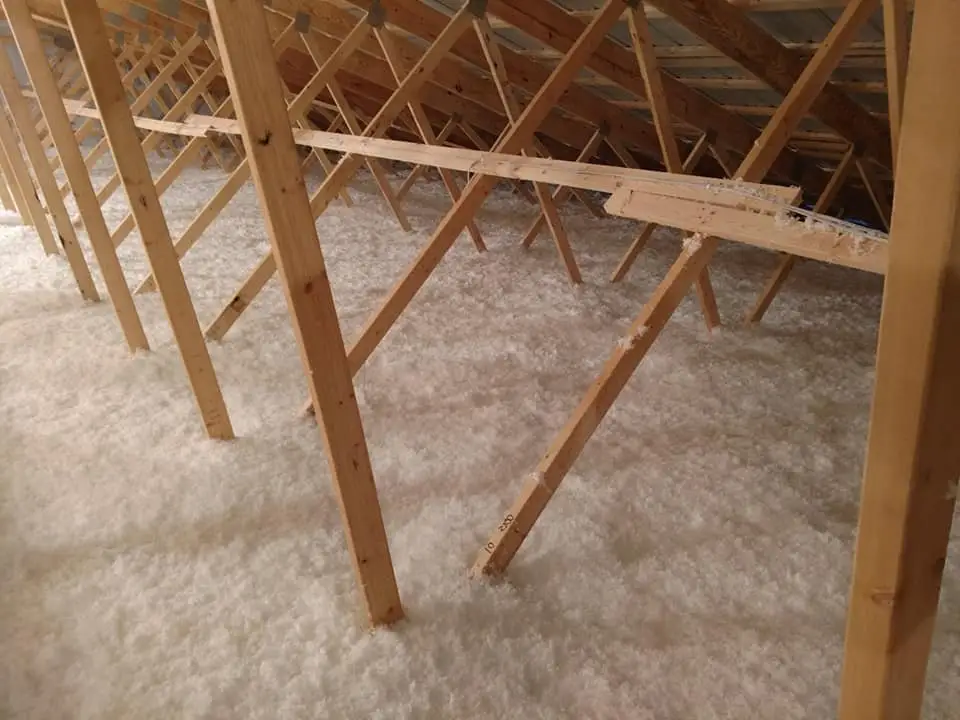
Target depth. The jump from a thin existing layer to a full Minnesota depth sets how much material you are buying. Ask for the target in inches and R-value. If a bidder will not state it, that tells you something too.
Access and obstructions. Trusses, ductwork, recessed lights that need covers, a tight hatch: all of it adds crew time.
Material choice. Blown-in fiberglass or cellulose is the economical workhorse for an open, vented attic floor. Closed-cell spray foam is for rooflines, vaulted ceilings, and attics being brought inside the building envelope.
The Honest Sequence
Inspect first. Fix the air leaks and any moisture source, remove what is damaged, then insulate to depth. A quote that skips straight to "blow it in" without looking at the roof deck or the air sealing is pricing a lesser job and calling it the same thing.
Get a Written Number for Your Attic
We look at the attic, write down the material, depth and prep, and the number costs you nothing. (Insulating a shop instead? Start with the pole barn guide.) Call (320) 232-7137, weekdays 7am to 5pm.